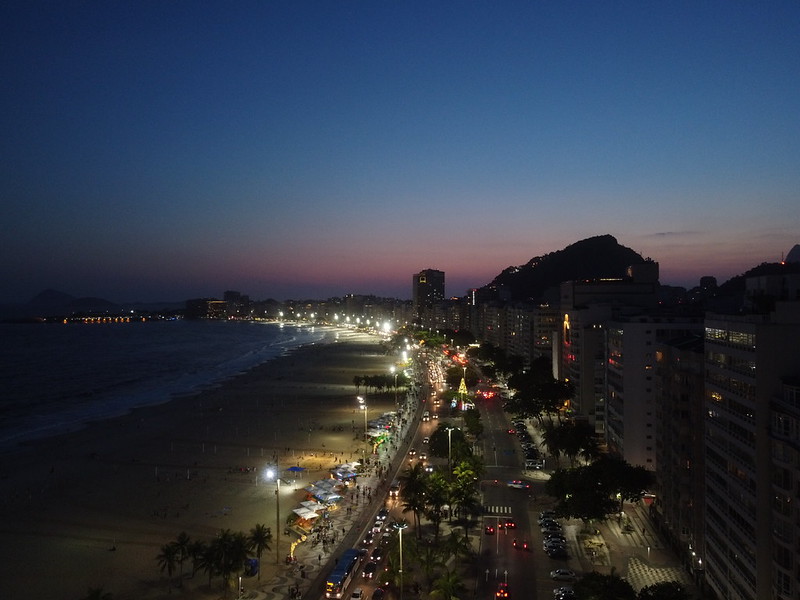
Zona Sul
Copacabana, Ipanema, Leblon and Botafogo: beach, nightlife and the city's highest concentration of hotels.

About Rio
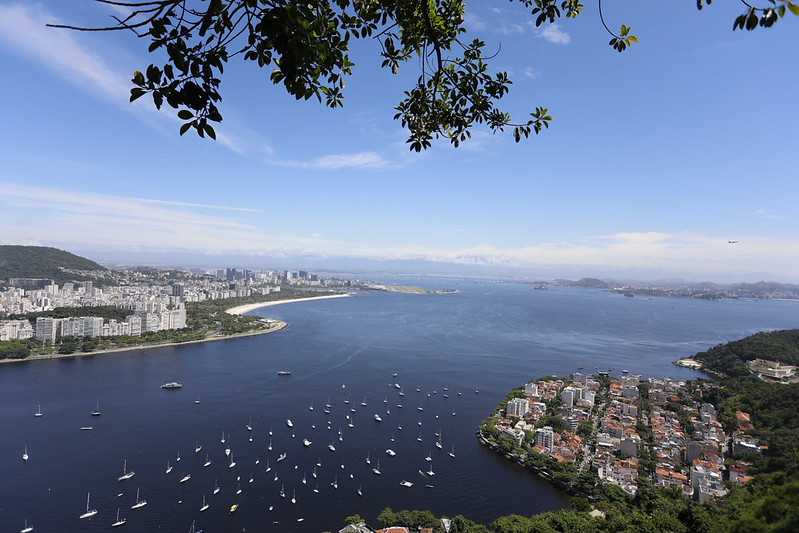
Rio de Janeiro is the only place in the world where a metropolis, an urban tropical forest and 90 km of beach share the same address.
6,7 mi
residents in the city
90 km
of urban beaches
1565
year founded
2012
Unesco World Heritage designation
Founded in 1565, Rio was Brazil's capital for nearly two centuries and keeps that legacy on every corner of Centro: palaces, theaters, baroque churches and the houses of Santa Teresa. At the same time, it's a city that lives outdoors — cariocas wake up early to walk the boardwalk and end the day at a sidewalk table in a boteco.
In 2012 Unesco recognized Rio's cultural landscape as World Heritage: the first time an entire urban landscape received the title. It's the meeting of Corcovado, Tijuca Forest, Sugarloaf and Guanabara Bay that makes Rio what it is.
Explore the neighborhoodsSea
Urban beaches, islands in Guanabara Bay and the best sunset at Arpoador.
Mountain
Tijuca Forest, Pedra Bonita and trails with views over the entire city.
Culture
Samba, bossa nova, museums, theaters and a Carnival the whole world watches.
Climate
Sunshine all year round, averaging 26 °C, with an intense summer between December and March.
Each area of the city has its own way of welcoming visitors.
Copacabana, Ipanema, Leblon and Botafogo: beach, nightlife and the city's highest concentration of hotels.
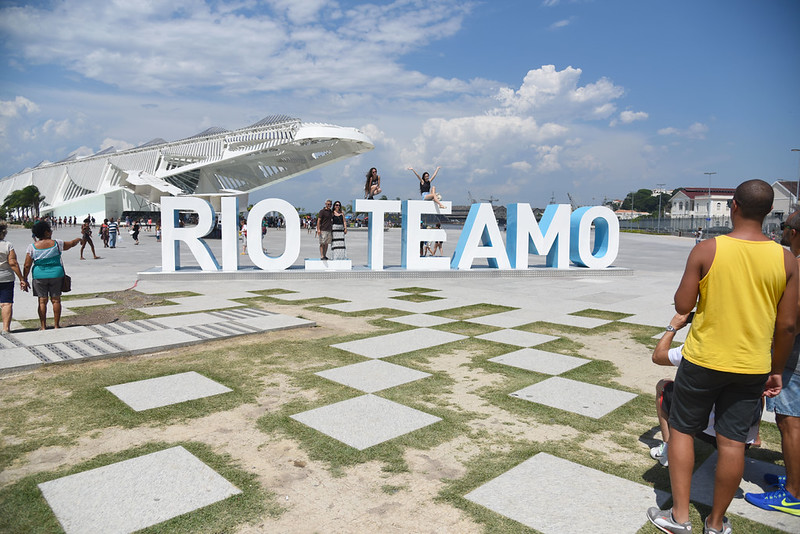
Historic Rio and Porto Maravilha: museums, colonial churches, the Boulevard Olímpico and the VLT tram.
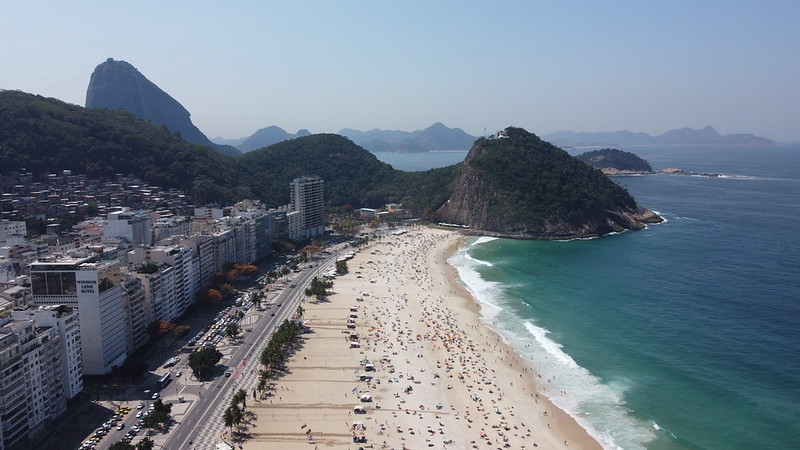
Barra da Tijuca, Recreio and Grumari: long beaches, preserved nature and major arenas.

Maracanã, Quinta da Boa Vista and the soul of samba in the schools' rehearsal halls.
Start with Cristo Redentor and Pão de Açúcar, set aside an afternoon for the historic Centro and a late afternoon at Arpoador. Then just pick a beach and a boteco.